Ajinomoto Co., Inc. (hereafter “Ajinomoto”) has supported figure skater Yuzuru Hanyu with food and
supplementation for many years.
This support has continued even after he turned professional.
The key to his great performance is a balance of three meals and supplementation.
The article explores Ajinomoto’s conditioning support that has helped Hanyu get all the glory while
introducing his own comments,
including what he had learned about nutrition and food one by one and applied the knowledge to his
diet.
勝ち飯
The nutrition program was born based on the knowledge obtained from long-term support activities under the “Victory Project®” and sports nutrition science. It has been implemented to help improve the nutritional environment for athletes.
Support 1
Inspiring skater Yuzuru Hanyu and
amino acids that support his
performance
Recognizing the importance of amino acids by studying nutrition
Hanyu and Ajinomoto began collaborating in 2013, around when he moved to Canada for training to improve
his skating. “At that time, I was trying to improve my diet for the competition that takes place every
four years. I did not have basic physical fitness or strength enough to skate through to the end,” Hanyu
said. What supported him in becoming the world champion and achieving great results in subsequent
competitions was Ajinomoto’s “Victory Project®.” This refers to conditioning support activities using
food and amino acids to help athletes enhance their international competitiveness and win more medals.
Under the initiative, Ajinomoto designs and offers advanced meal plans based on sports nutrition science
for top-class athletes in various sports.
Looking back, Hanyu said that his own diet had issues. He first learned about five major nutrients that
should be taken in three meals and supplementation to get energy and nutrients that tend to be lacking.
As he studied, he became interested in how to take proteins, one of the nutrients, which are essential
for muscles, bones, internal organs, and other parts of the body and used as a source of energy. In that
process, Hanyu came to realize the importance of amino acids.
Amino acids are known as the building blocks of proteins that make up our bodies. Of roughly 500 types
of amino acids found in nature, only 20 make up proteins in the human body. They are not only a
necessary part of the body but are also expected to help stimulate appetite because they help to make
food delicious. And three essential amino acids, called BCAAs, are closely related to muscle mass and
recovery, an important point for athletes. In other words, a well-designed daily diet and efficient
intake of amino acids help athletes improve their performance.
Based on this approach, Hanyu and Ajinomoto worked hard together under the nutrition program
“Kachimeshi® (Winning Meals).” In various competitions at home and abroad, a nutrition support team was
set up to share meal plans with Hanyu in respective venues before meals were actually served. In light
of the physical conditions that Hanyu felt, optimum meal plans were decided through dialogs. For
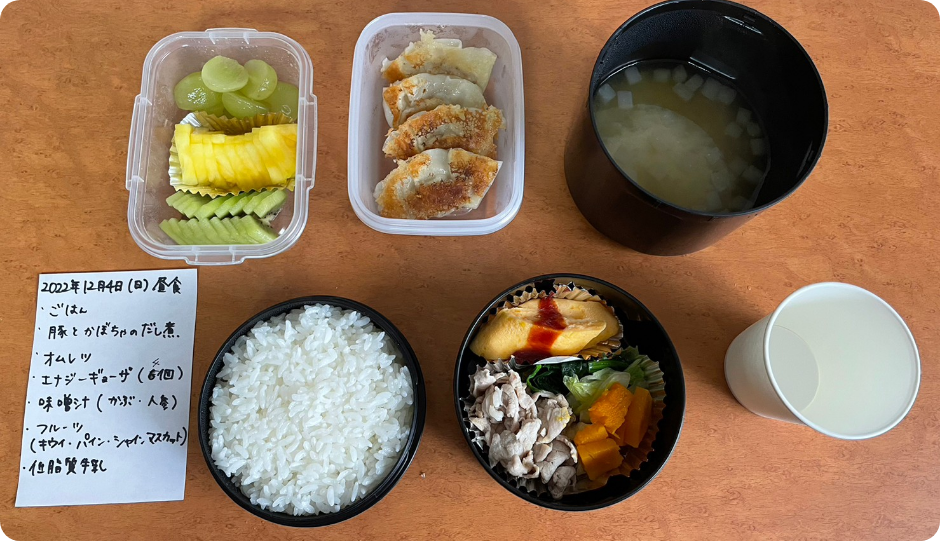
example, we supported Hanyu during an international competition by creating some meal rules like making
sure each meal comprised four dishes of staple food, a main dish, a side dish, and soup; serving meat
and fish as a main dish alternately every day; and preparing meals consisted mainly of hot pot, which
allows him to increase ingredients, for lunch and dinner. Each meal was carefully planned and served
from various perspectives, such as nutrient balance, the total amount to be eaten, and meal serving time
calculated backward from the time of training or competition. As for how to take proteins, which Hanyu
cared about in particular, the time gap was also considered. This is because, if one eats proteins, it
takes 3–4 h to digest them and absorb the nutrients, whereas if one takes amino acids, they are absorbed
in approximately 30 min. Ajinomoto developed a strong support system so that Hanyu was able to take an
ideal amount of nutrients from three meals and supplementation including amino acid supplements at a
targeted timing. After the competition, we calculated and quantified the daily nutrient intake status,
divided the amino acids contained in his meals and supplements by type, and analyzed them. Consequently,
it was found that Hanyu had been able to keep an ideal body composition.
It has been 10 years since Ajinomoto started to support Hanyu. Now, Hanyu pays careful attention to the
order to eat a meal as he said, “Since I knew dashi contains amino acids that serve as appetizers
to whet the appetite, that led to having soup first when I eat at home.” He also knows that different amino
acids have different effects. “As my routine, I take amino VITAL® PRO before getting on the ice and
amino VITAL® GOLD after training,” Hanyu said, suggesting that he has established his own style of
taking respective supplements. Hanyu learned about food and nutrients and incorporated that knowledge
into his diet. Along with his practice, this experience probably helped him keep an overwhelming
presence in international competitions.
Do everything for the best performance
Four months after Hanyu announced his decision to become a professional skater, he delivered his first professional performance and performed a solo ice show last month. In both shows, he received great applause. For each of the shows, Hanyu trained as hard as he had done for past competitions. “I don’t want to lower the quality of my skating. I am going to face skating with an awareness that I am responsible for my own body as a professional skater more than ever,” he said. In figure skating, setting the timing to reach a peak condition during a competition season or in a day is important. To deliver his unique and best performance to the audience, the “seeker” is quite strict about keeping his body conditioned. Ajinomoto is there for Hanyu and continues to support his efforts.
Support 2
Proposing nutrient intake plans based on
the physical condition and
personal taste
Ajinomoto Co., Inc.
Global Communications Department
“Victory Project®”Team
leader
Hidefumi Kurihara
Ajinomoto has strength in coordinating meals using amino acids. Since Hanyu was a light eater, the members of the “Victory Project®” first told him that he did not need to try hard to eat a lot, but instead, he should improve his diet while enjoying the process as much as possible. As his stomach starts to work relatively slowly, we recommended hot pot to stimulate his appetite. Our support helped him control his body conditions smoothly, such as having a meal to increase his body temperature so that he could reach a peak condition at a targeted timing. We will continue to propose effective meals while incorporating his personal tastes and supplementation based on analyses and dialogs.
Physical conditions can be maintained easily
with favorite food
and easy-to-eat supplementation
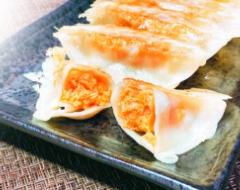
For ATHLETE®
Energy Gyoza®
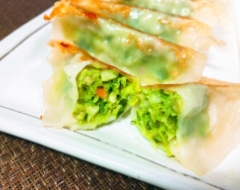
For ATHLETE®
Conditioning Gyoza®
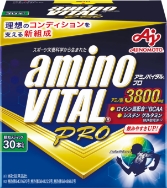
amino VITAL®
PRO
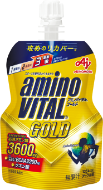
amino VITAL® GOLD
Jelly Drink
For ATHLETE®
Energy Gyoza®
For ATHLETE®
Conditioning Gyoza®
amino VITAL®
PRO
amino VITAL® GOLD
Jelly Drink
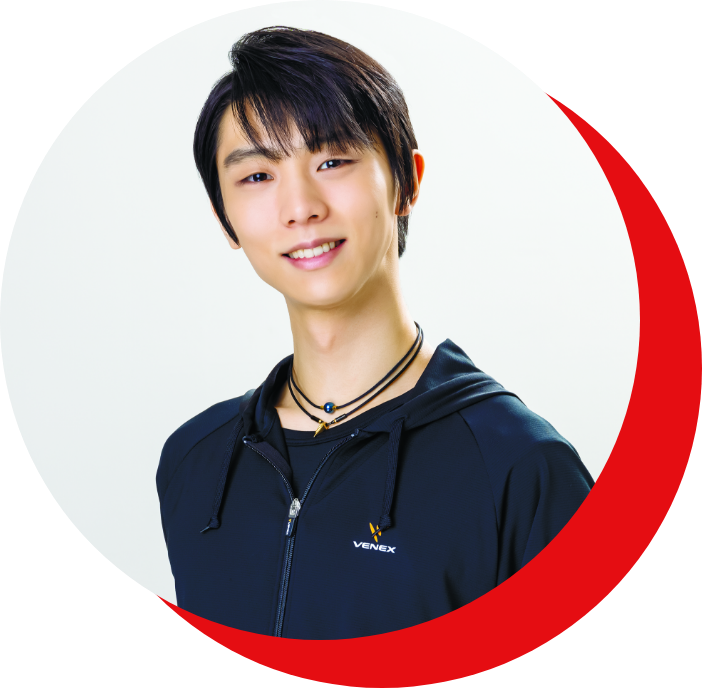
Profile
Professional athleteYuzuru Hanyu
Born in Miyagi Prefecture, Hanyu began skating at the age of four. At the 2014 Sochi Winter Olympics, he won Japan’s first men’s gold medal in figure skating. He claimed his second consecutive Olympic gold medal at the 2018 Pyeongchang Winter Olympics. In 2022, he announced his decision to become a professional skater. In February 2023, he successfully delivered his Tokyo Dome solo ice show “GIFT.”