

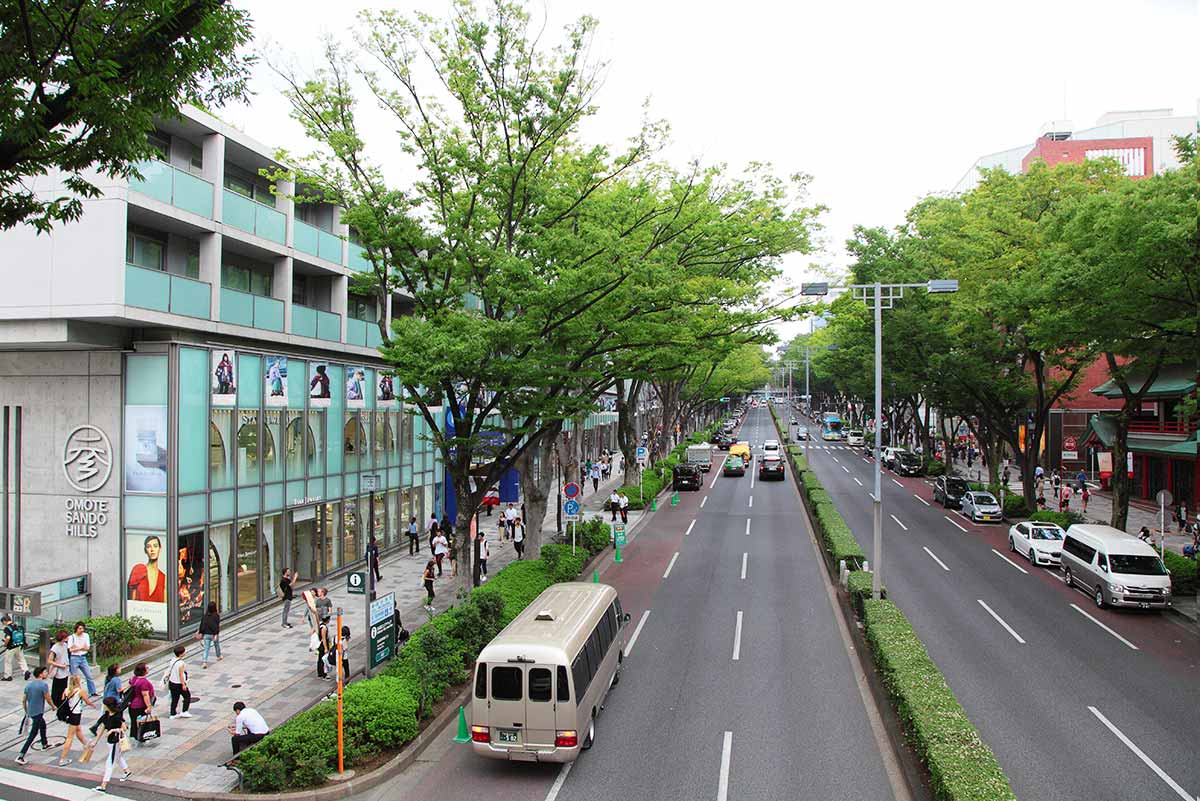
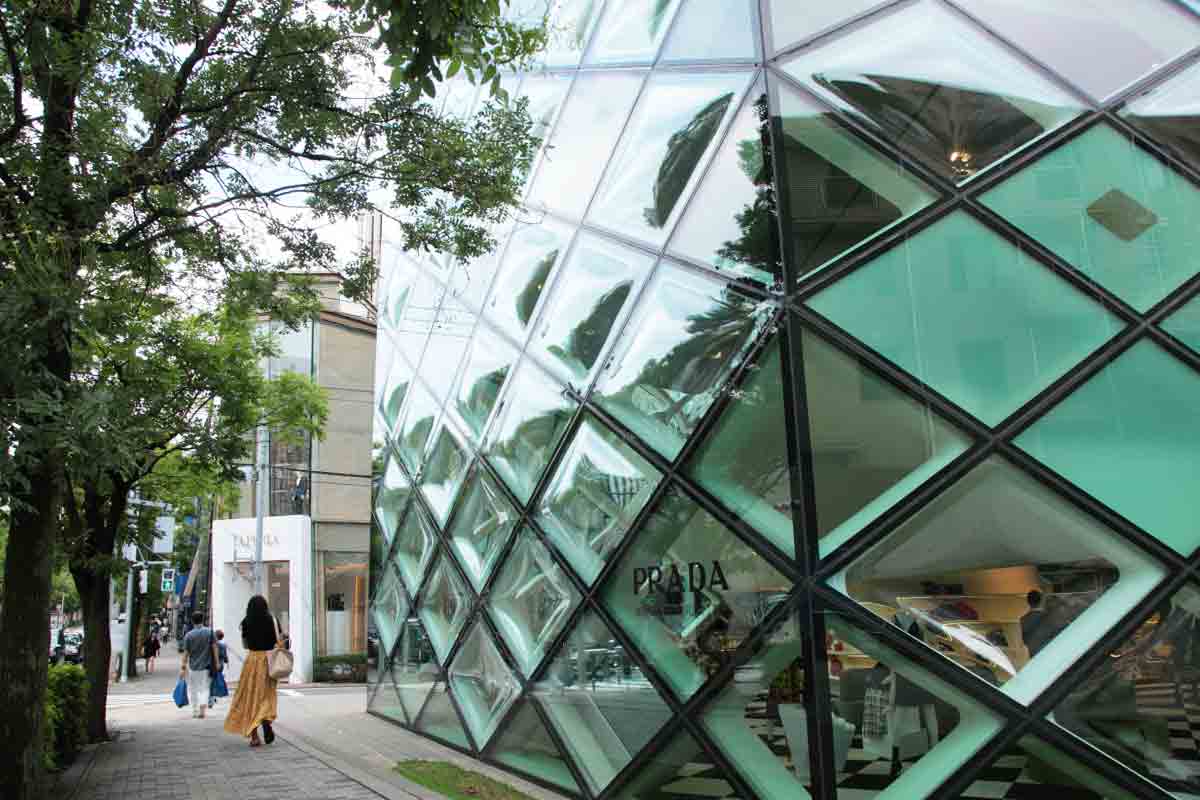
Omotesando was originally constructed as a road for worshipers going to Meiji Jingu Shrine. The large Japanese zelkova trees, some of which reach the height of 20m, provide cool shade in the summer and offer pedestrians a sense of peace by being surrounded by nature. World-famous boutiques gather here in quest of its lush verdure and a sense of history and compete against each other with cutting-edge architectural designs, such as the Omotesando Hills designed by architect Tadao Ando.
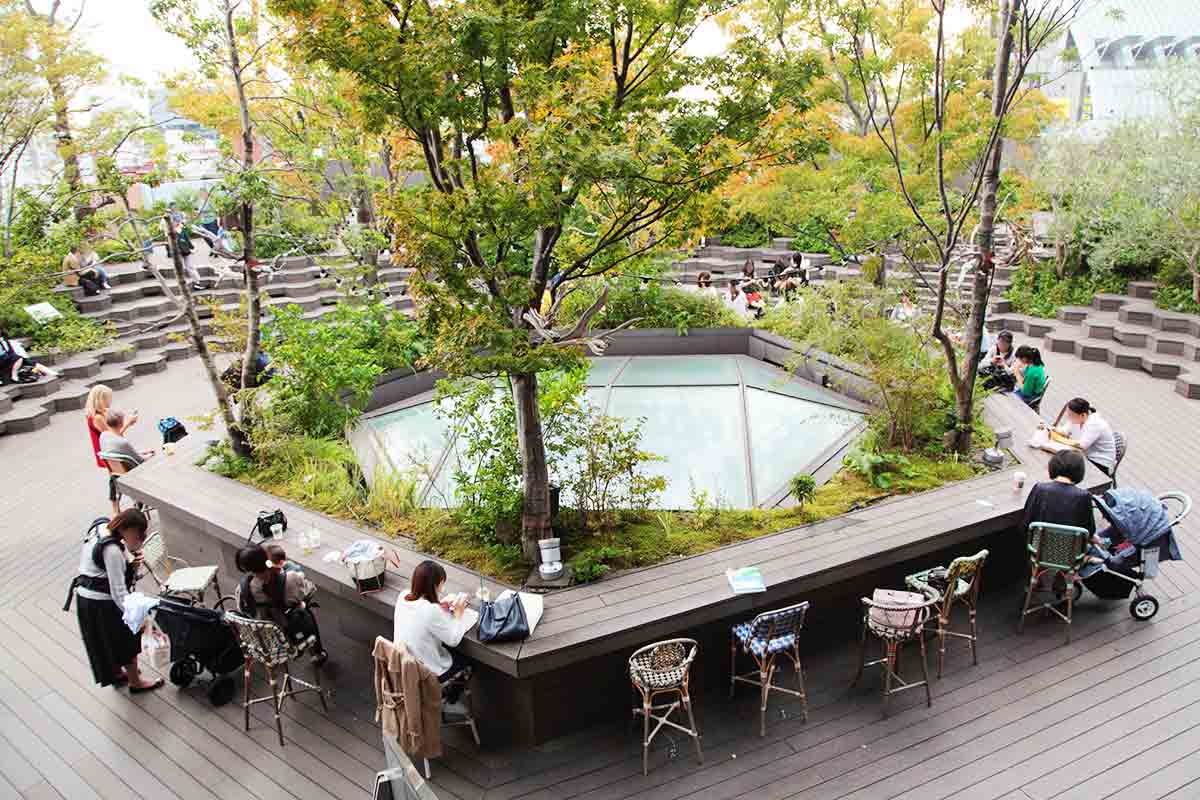 Omohara-no-Mori on the 6th floor of Tokyu Plaza Omotesando Harajuku was designed as a relay point for the ecological network that connects the forests of Meiji Jingu Shrine with Omotesando lined with Japanese zelkova trees from the rooftop 30m above ground. Efforts to plant greenery on the rooftop have created a comfortable space where you can rest right in the middle of the city.


INSTAGRAM
Share your photos by using #greentokyo